Biography
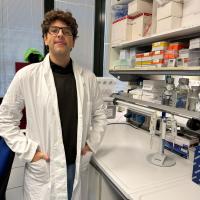
My name is Carlo Pasqua, and I was born in Naples on March 25, 2000. I graduated in Genetic and Molecular Biotechnology in 2024. During my studies, I completed an Erasmus traineeship at the Center for Neuroscience and Cell Biology (CNC) in Coimbra (PT), under the supervision of Prof. Luís Pereira de Almeida. This experience sparked my strong interest in molecular and cellular biology applied to human pathologies, with a particular focus on genetic mechanisms and neurodegenerative processes. I delved into cellular disease models and advanced experimental approaches.
Subsequently, I worked at the Institute of Biochemistry and Cell Biology (IBBC) of the CNR in Naples, in Dr. Emilia Vitale's group. There, I conducted genetic analysis of patients with frontotemporal dementia and Alzheimer's disease. In parallel, I studied human microglial models to investigate responses to inflammatory and oxidative stimuli, as well as cellular senescence mechanisms. This experience solidified my interest in translational research.
In my current PhD program, I am developing a research line focused on understanding the molecular mechanisms regulating innate immune memory (IIM) and its modulation by extracellular vesicles (EVs) derived from mycobacteria and gut microbiota bacteria. The project aligns with the growing interest in trained immunity phenomena, through which innate immune cells acquire long-lasting functional modifications following external stimuli. Specifically, my goal is to elucidate how signals carried by EVs can promote epigenetic and metabolic reprogramming in human monocytes and macrophages, thereby influencing their response capacity to subsequent infectious or tumor challenges.
To address these questions, I will use primary cellular models, sequential stimulation protocols, and integrated approaches in functional genomics, epigenomics, and cellular metabolism analysis. A significant part of the project will be devoted to identifying specific microbial components responsible for inducing innate memory and evaluating combinations of EVs capable of selectively amplifying the immune response. The ultimate aim is to contribute to the development of new vaccine strategies and immunotherapies based on the controlled modulation of trained immunity in complex clinical contexts.