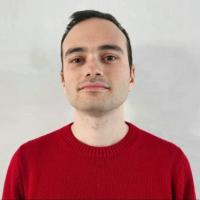
Biography
I am a 30-year old physician with a strong interest in hematologic malignancies and a particular focus on acute leukemias. I graduated in Medicine with highest honors from the University of Pavia in 2019 (as a IUSS and Collegio Borromeo fellow) and subsequently moved to IRCCS Ospedale San Raffaele in Milan, where I trained in hematology and completed my residency in January 2025. During clinical training, my work has increasingly centered on the application of cell therapies for the treatment of acute leukemias and aggressive B-cell lymphomas. As a senior resident, I focused on the longitudinal care of the CAR T-cell candidate across indications, both in the CAR T-cell outpatient clinic and during inpatient admissions. Between November 2023 and April 2025, I have been a research fellow in Dr. Monica Casucci’s laboratory, where I investigated new approaches to improve CAR T-cell efficacy in solid malignancies. There, I have gained hands-on skills in molecular biology, cell manipulation, multi-color flow cytometry and in vivo testing. Since May 2025, I have relocated to the US to join Dr. Genovese’s laboratory at Boston Children’s Hospital, seeking to acquire higher proficiency in gene editing applied to cancer immunotherapy.
As a fellow in Dr. Genovese’s lab at Boston Children’s Hospital, I focus on applying advanced genome editing technologies (base and prime editing) to develop “stealth” hematopoietic stem cell platforms for immunotherapy. I perform T-cell and HSPC engineering, gene knockout/knock-in optimization, and in vitro/in vivo functional testing. My prior experience has convinced me that the next leap forward in CAR T-cell therapy-particularly concerning acute myeloid leukemia (AML)- shall be driven not only by efficacy, but by engineering strategies to reduce toxicity and improve the chance of a feasible real-world translation. Hence, my current work focuses on developing strategies to foster the clinical translation of the anti-FLT3 CAR T-cell previously described by our lab, with the overarching goal of minimizing toxicity while maintaining anti-leukemic potency. I am devising a base-editing strategy that exploits splice-site disruption to generate cytokine-knockout CAR T-cells, in order to mitigate the inflammatory cascade that drives cytokine release syndrome and immune-effector cell associated hematotoxicity (ICAHT). By selectively disrupting key cytokines pathways implicated in excessive myeloid activation, this project aims to create a CAR T-cell product with wider therapeutic window, enabling safer dosing and broader patient eligibility.